A beautiful home does not need expensive furniture, designer decorations, or a complete renovation.Small, thoughtful updates can make any room feel brighter, cosier, and more functional. From selecting the perfect colour palette to maximising limited space, simple home improvements can enhance your everyday living experience you live.
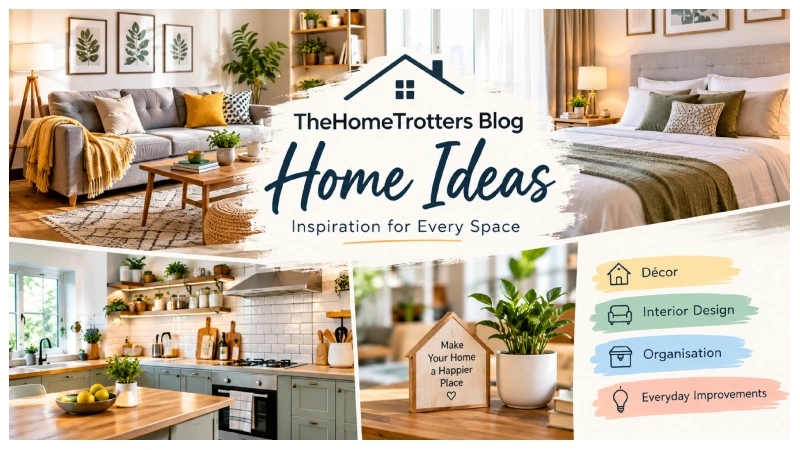
TheHomeTrotters blog home ideas offer a useful starting point for exploring home décor, interior design, organisation, and everyday improvements. Whether you live in a small apartment, a family house, or a rented property, the goal is to create a space that reflects your personality and meets your daily needs.
In TheHomeTrotters Blog Home Ideas guide, you will discover practical ways to refresh different areas of your home, avoid common decorating mistakes, and create a welcoming environment without stretching your budget.
1. Plan Your Home Design with a Clear Vision
Before purchasing décor or rearranging furniture, consider the atmosphere you want to create and how you want each space in your home to look and feel. Do you prefer a calm, minimal space, a warm and cosy atmosphere, or a modern interior with clean lines?
A well-thought-out plan helps you choose colours, furniture, and décor that complement one another and create a balanced look throughout your home.
Start by identifying three things:
- Your main goal: Decide whether you want better organisation, improved comfort, more storage, or a fresh appearance.
- Your preferred style: Collect pictures, colours, and design ideas that appeal to you.
- Your budget: Set a realistic spending limit before shopping.
For example, if your living room feels crowded, buying another decorative item may not solve the problem. Removing unused furniture, improving the lighting, and rearranging the seating could make a greater difference.
A clear vision also helps prevent impulse purchases and keeps your design consistent throughout the home.
2. Refresh Your Living Room with Simple Changes
The living room often serves several purposes. It may be a place to relax, entertain guests, watch television, or spend time with family. A thoughtfully arranged living room can support everyday activities while keeping the space tidy, spacious, and comfortabl.
Choose a balanced colour palette
Start with two or three colours that complement each other. Neutral shades such as cream, beige, and soft grey can create a calm foundation. You can then introduce colour through cushions, curtains, rugs, artwork, or plants.
If your furniture is dark, lighter accessories may help balance the room. In a bright space, deeper colours can add warmth and contrast.
Arrange furniture around everyday activities
Keep conversation and movement in mind when arranging sofas and chairs.Keep doorways clear and leave enough space between furniture pieces for easy movement around the room.
In a small living room, consider a compact sofa, nesting tables, or furniture with built-in storage. These options can save space while keeping essential items close at hand.
Add texture for warmth
Combining different textures and materials can create a warmer, more welcoming atmosphere in any room. Try combining a soft rug, cotton cushions, wooden furniture, and a knitted throw.
You do not need to replace everything. Changing a few textiles or rearranging existing accessories can give a familiar room a fresh look.
3. Make Your Bedroom More Relaxing
Your bedroom should support rest and comfort. A thoughtful layout, suitable lighting, and simple organisation can help create a more peaceful environment.
Begin by reducing visual clutter. Keep frequently used items within reach and move unnecessary objects away from the bedside table. Storage baskets, drawer organisers, and under-bed containers can help keep belongings tidy.
Choose bedding that feels comfortable in your local climate. Lightweight cotton may suit warmer conditions, while additional layers can provide comfort during colder months.
Lighting also plays an important role. A bedside lamp offers softer light for reading, while brighter lighting helps with tasks such as dressing and cleaning. Where possible, use curtains or blinds that suit your privacy and daylight needs.
For decoration, choose a few meaningful pieces rather than filling every surface. A framed photograph, a favourite book, or a simple plant can add personality without overwhelming the room.
4. Create a Functional Kitchen
A well-organised kitchen makes everyday cooking easier. You do not always need new cabinets or expensive appliances to improve the space.
Start by grouping similar items together. Keep cooking utensils near the area where you prepare food, place frequently used ingredients within easy reach, and store occasional-use equipment elsewhere.
Clear worktops whenever possible. Leaving space for chopping, mixing, and serving makes the kitchen more practical.
Here are a few affordable improvements to consider:
- Use labelled containers for dry ingredients.
- Add drawer dividers to separate utensils.
- Install hooks for suitable tools or kitchen towels.
- Store frequently used dishes on accessible shelves.
- Use washable mats or easy-to-clean accessories where appropriate.
If you want to update the appearance, consider changing cabinet handles, improving task lighting, or displaying a small collection of attractive everyday items.
Always check that shelves, hooks, and storage units can support their intended weight. Keep heat-sensitive items away from cooking appliances, and avoid placing decorations where they could interfere with food preparation.
5. Turn Small Spaces into Useful Areas
Small homes can feel comfortable and organised when every area has a clear purpose. Make the most of your available space by choosing practical layouts and avoiding overcrowding the room with unnecessary furniture or belongings.
Choose furniture that serves more than one purpose
A storage ottoman offers extra seating while providing a convenient place to keep blankets and other household essentials. A folding desk can create a temporary workspace, while a bed with drawers can reduce the need for additional storage furniture.
Before purchasing multifunctional furniture, measure your room and ensure there is enough space to open drawers, extend tables, and move around comfortably move around comfortably.
Use vertical space wisely
You can add extra storage with wall-mounted shelves and organisers while keeping the floor clear and maximising your available space Shelves, wall-mounted organisers, and tall bookcases can help keep everyday items accessible.
Place heavier items on securely installed shelves and keep frequently used belongings at a convenient height.
Keep the layout simple
Too many small decorations and pieces of furniture can make a compact room feel crowded. Select a few useful items and leave enough open space for easy movement.
Mirrors can also help reflect light and create a greater sense of openness, especially when placed where they reflect a window or another bright area.
6. Bring Nature into Your Home
Natural elements can add colour, texture, and visual interest to an interior. Houseplants are one option, but you can also use wooden accessories, woven baskets, stone surfaces, or nature-inspired artwork.
If you enjoy caring for plants, choose varieties that match the light and humidity available in your home. A plant that needs bright indirect light may struggle in a dark corner, while some low-light varieties can tolerate less direct sunlight.
Check watering requirements before choosing a plant. Overwatering is a common problem, so use containers with suitable drainage and avoid letting roots sit in excess water.
If you have pets or young children, check whether a plant is toxic before bringing it indoors.
You can also introduce natural materials through small changes, such as a wooden tray, linen curtains, or a woven storage basket. These small touches can create a cosy and inviting atmosphere without the need for a complete room makeover.
7. Improve Lighting for a Better Atmosphere
Lighting affects how a room looks and how well it supports daily activities. A single overhead light may provide general illumination, but combining different light sources can create a more flexible space.
Consider three basic types of lighting:
- Ambient lighting: Provides general light for the room.
- Task lighting: Helps with activities such as reading, cooking, or working.
- Accent lighting: Draws attention to artwork, shelves, or architectural features.
Whenever possible, make good use of natural daylight. Keep windows clear of unnecessary obstructions and choose window coverings that balance privacy with light.
For evening use, warm-toned lighting can create a relaxed atmosphere in living rooms and bedrooms. Kitchens and work areas may benefit from brighter, well-directed task lighting.
Choose bulbs that suit the fixture and follow its safety and wattage instructions. Good lighting should improve comfort without causing glare or making everyday tasks difficult.
8. Decorate on a Budget Without Losing Style
Creating a beautiful home is more about making smart, thoughtful choices than spending a lot of money on furniture and decorations. Before spending money, look at what you already own and decide what you can reuse, repair, or rearrange.
Try these budget-friendly approaches:
- Rearrange existing furniture.Rearranging furniture can improve the flow of a room and give it a fresh, updated appearance.
- Refresh textiles. New cushion covers, curtains, or a throw can introduce colour without replacing large items.
- Try simple DIY projects. Painting a suitable piece of furniture or creating your own wall art can add a personal touch.
- Shop with a plan. Measure spaces and make a list before visiting shops or browsing online.
- Invest in frequently used items. A comfortable chair or a durable mattress may offer more long-term value than decorative accessories.
When comparing products, consider durability, maintenance, repair options, and how often you will use them. A low purchase price does not always mean better value if an item needs frequent replacement.
If you rent your home, focus on reversible changes such as removable decorations, portable lighting, and freestanding storage. Check your rental agreement before making permanent alterations.
9. Avoid Common Home Decorating Mistakes
Even attractive design ideas can disappoint when they do not suit the room. A little planning can help you avoid unnecessary costs and frustration.
Buying furniture before measuring: Check the room, doorways, and access routes before purchasing large items.
Keeping up with every trend: Home décor trends come and go, so incorporate them through small accessories instead of designing your entire home around one style you may soon dislike.
Ignoring storage: A beautiful room can quickly become untidy if everyday belongings have no practical place.
Choosing appearance over comfort: Furniture should support the way you live, not simply look good in photographs.
Using too many colours and patterns: A consistent palette helps different elements feel connected. You can still introduce contrast through carefully selected accents.
The ideal home design combines visual appeal, comfort, practicality, and easy upkeep.
10. How to Transform Home Ideas into Long-Lasting Improvements
Reading about decorating is useful, but a simple action plan helps turn inspiration into results. There’s no need to renovate every room at the same time; start with one area and make gradual improvements as your budget allows.
Choose one area that causes the most difficulty. Perhaps your entryway collects shoes and bags, your bedroom lacks storage, or your living room feels dark.
Next, identify the main problem and choose one or two realistic improvements. Set a budget, measure the space, and use what you already have before buying anything new.
After making the changes, live with the new arrangement for a few days. Notice whether movement feels easier, storage works better, and the room supports your routine. Adjust the layout if needed.
TheHomeTrotters Blog Home Ideas practical approach reflects the value of TheHomeTrotters blog home ideas: use inspiration as a starting point, then adapt each suggestion to your own space, needs, and budget.
Final Thoughts
Creating a welcoming home is an ongoing process rather than a one-time project. Small improvements to lighting, storage, colour, furniture placement, and decoration can make everyday spaces more comfortable and useful.
The most effective TheHomeTrotters blog home ideas are the ones that fit your lifestyle. You might refresh a living room with softer textiles, organise a kitchen with simple storage solutions, or make a small bedroom feel more spacious through a better layout.
Start with one manageable change, pay attention to what works, and build from there. With thoughtful planning and a little creativity, you can create a home that feels personal, practical, and inviting without spending more than necessary.For more information visit our site daily