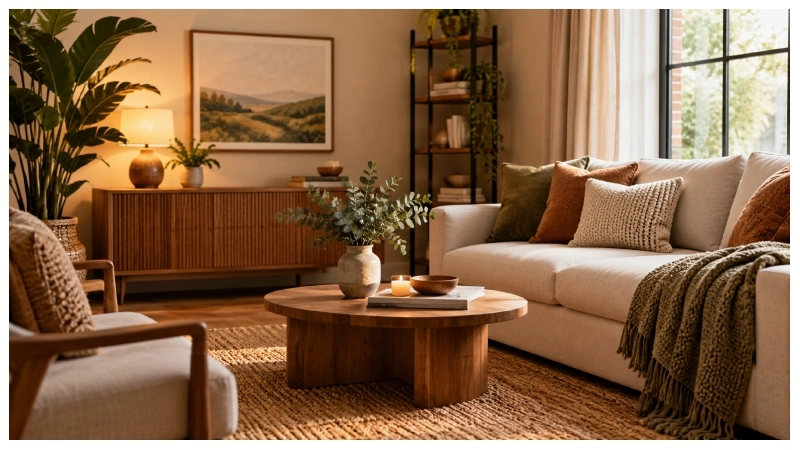
A beautiful home does not have to look like a showroom, and good interior design does not always require a large budget. The most successful spaces usually have something simpler in common: they are comfortable, organised, practical, and designed around the people who use them.That idea sits at the heart of interior design drhomey. Rather than focusing only on expensive furniture or passing trends, the approach puts attention on layout, lighting, colour, materials, storage, and everyday comfort.
Whether you live in a small apartment, a family house, or a rented space, a few thoughtful changes can make the rooms feel more balanced and welcoming.
What Is Interior Design DrHomey?
The phrase interior design drhomey is used online for practical home-design guidance covering areas such as furniture arrangement, colour selection, lighting, decoration, and space planning. DrHomey-related design content commonly focuses on making spaces both attractive and useful rather than treating decoration as purely visual.
A useful way to understand the concept is through three questions:
- Does the room work well for everyday life?
- Does everything have a clear purpose?
- Does the space feel comfortable rather than overcrowded?
For example, a living room may contain beautiful furniture but still feel awkward if people cannot move easily between the sofa, door, and kitchen. Good design solves that practical problem before adding more decoration.
Plan Your Layout Before Choosing Decorations
One of the most common interior-design mistakes is buying furniture before measuring the room.Before choosing a sofa, dining table, bed, or storage unit, measure the available space. Then consider doors, windows, radiators, electrical outlets, and the natural walking routes through the room.Imagine a small living room with a large sectional sofa. On a showroom floor, the sofa might look impressive. In a compact home, however, it could block movement and make the room feel smaller.A better approach is to leave comfortable pathways and allow some empty space around larger pieces.
Practical tip: Use masking tape on the floor to mark the approximate footprint of new furniture before purchasing it. This simple test can reveal whether the piece is actually suitable for your room.
Use Lighting in Layers
The right lighting can transform a room’s atmosphere without replacing any furniture.Use several lighting sources instead of relying on one bright overhead light Layered lighting can include general illumination, task lighting for activities such as reading or working, and accent lighting that highlights architectural or decorative features.
For example, a bedroom might use:
- An overhead light to illuminate the entire room
- Bedside lamps for reading
- A floor or wall light to create a warm, relaxing evening atmosphere
This creates more flexibility than a single overhead bulb.
When choosing bulbs, also consider colour temperature. Warm lighting is often useful in living rooms and bedrooms when you want a relaxed evening atmosphere, while brighter or cooler lighting can be more suitable for task-focused areas.
Choose Colours That Complement Your Lighting
A colour that looks beautiful in a showroom may look completely different at home.
Natural daylight, window direction, artificial lighting, flooring, and surrounding furniture all influence how paint appears. That is why testing a sample on the actual wall can be more useful than choosing a colour from a tiny card.Neutral colours can provide a flexible foundation, but neutral does not mean boring. Cream, beige, warm grey, muted green, and soft earthy shades can create depth when combined with different textures.For instance, a warm neutral wall can work with a textured rug, wooden furniture, linen curtains, and darker accent pieces.You don’t need to match every item to the same colour.. Instead, create relationships between the colours.
Make Small Rooms Feel More Spacious
Small spaces benefit from careful visual planning.
Mirrors can help reflect light and make a room appear more open, particularly when positioned where they reflect a window or another bright part of the room. However, covering every wall with mirrors can make a space feel visually busy.
Furniture selection matters just as much.
A low-profile sofa, wall-mounted shelving, nesting tables, or furniture with built-in storage can preserve valuable floor space. In a small home, every piece should earn its place.
This is one of the practical ideas associated with interior design drhomey: solve the space problem first, then decorate around the solution.
Choose Quality Materials for Everyday Use
You don’t need expensive materials in every part of your home.
Instead, think about where your money will have the greatest visible and practical impact. Items you touch frequently—such as sofa upholstery, bedding, curtains, rugs, cabinet handles, and dining chairs—can influence how a room feels.
Natural materials such as wood, cotton, linen, and wool can add texture and character, but budget alternatives can also work when they are well made and suited to the space.
A second-hand wooden table, for example, may offer more character than a cheaply constructed new table. The key is to inspect its condition, construction, stability, and finish rather than judging it only by its age.
Declutter Before You Buy More
Sometimes the cheapest interior-design improvement costs nothing.
Look around a room and remove objects that you rarely use, duplicate items, and decorations that no longer fit the space. Keeping surfaces clear can make a room feel calmer and help important pieces stand out.
Try this simple method:
- Remove everything from one surface.
- Clean the surface.
- Return only the items you regularly use or genuinely enjoy.
- Store the remaining items somewhere appropriate.
You may discover that you do not need another storage cabinet—you simply need less visual clutter.
Create Depth With Texture
When a room feels flat, many people respond by buying more accessories. Texture can often solve the problem more effectively.
Combine materials with different visual and physical qualities. A smooth wooden table might work with a woven rug, soft curtains, ceramic accessories, and a textured cushion.
This creates contrast without filling every surface.
The same principle works in bedrooms. Layering bedding with different fabrics can make the room feel more comfortable without requiring lots of decorative objects.
Use Plants for Style, Not as an Air-Cleaning Solution
Indoor plants can add colour, height, and a natural element to a room. They can also help break up the hard lines created by furniture and shelving.
But it is important not to exaggerate their health benefits. The US Environmental Protection Agency notes that ordinary numbers of houseplants have not been shown to remove significant amounts of indoor pollutants in homes and offices. Good ventilation and proper indoor-air-quality practices matter far more.
So choose plants because they suit your room, lifestyle, and maintenance routine—not because you expect them to replace ventilation.
A large plant in an empty corner can create a stronger visual impact than several tiny pots scattered across shelves.
Mix Old and New Pieces
A home can feel more personal when everything does not come from the same shop or collection.
Try combining modern furniture with vintage accessories, second-hand pieces, handmade objects, or family items. The result can feel more collected and individual.
The trick is creating a connection between different pieces. Repeating a material, colour, shape, or finish can help unrelated objects feel like part of the same room.
For example, a vintage wooden side table can work beside a modern sofa if the wood tone connects with the flooring or another piece of furniture.
Focus on Function in Every Room
A successful design should reflect how a room is actually used.
A home office needs comfortable working conditions and accessible storage. A family living room needs durable surfaces and enough seating. A bedroom should support rest rather than becoming a storage area.
This functional approach is also reflected in current DrHomey interior-design content, which discusses furniture layouts, lighting, small-space solutions, and practical room planning.
Before decorating a room, write down the three activities that happen there most often. Then arrange the furniture around those activities.
That small exercise can prevent many expensive design mistakes.
Final Thoughts
The best interior design drhomey ideas are not about making every home look identical. They are about making better decisions for the space you already have.
Start with the layout. Improve the lighting. Choose colours according to the room’s actual light. Reduce clutter before purchasing storage. Select furniture that fits the scale of the space, and use texture to add personality without overcrowding the room.
Most importantly, design for real life.
A successful home should look good in photographs, but it should feel even better when you are cooking dinner, working, relaxing, entertaining friends, or simply coming home after a long day.
That is where thoughtful interior design becomes more than decoration—it becomes a practical way to make everyday living easier and more comfortable.For more information visit my webesite.