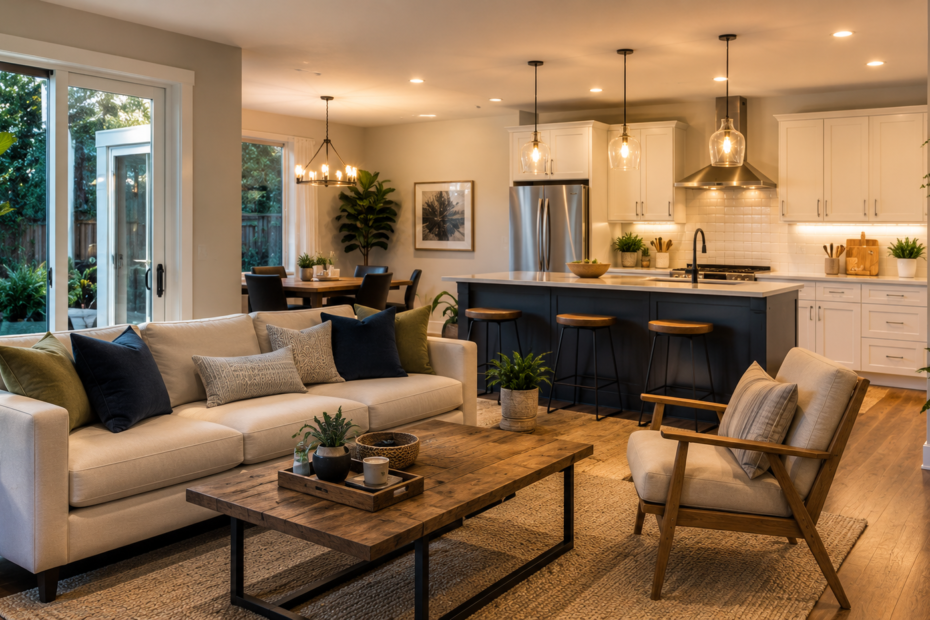
Your home does not need a complete makeover to feel better, look fresher, or work more efficiently. Home Upgrades Mintpalment can help you make thoughtful improvements that add comfort, convenience, and lasting value. Often, a few well-planned changes can make a noticeable difference to everyday life. From improving lighting to upgrading insulation, the right projects can make your home more practical and enjoyable.
This guide to Home Upgrades Mintpalment brings together 15 practical ideas that suit different budgets and types of homes. The goal is not to chase every new trend. Instead, focus on improvements that solve real problems and make your property easier and more enjoyable to live in.
1. Upgrade Your Lighting
Good lighting can completely change the feel of a room. Replace old bulbs with modern LED bulbs and consider where you actually need brighter or softer light.
For example, a kitchen benefits from strong task lighting over worktops, while a bedroom may feel more comfortable with warmer, softer lighting. Adding dimmer controls can also give you greater flexibility.
Think beyond ceiling lights. Wall lights, under-cabinet lighting, and well-placed lamps can make a room feel more layered and welcoming.
2. Refresh Your Walls
A fresh coat of paint is one of the simplest ways to update a home. You do not necessarily need bold colours or expensive wallpaper.
Neutral shades can make smaller rooms feel more open, while a carefully chosen feature wall can add personality without overwhelming the space.
Before painting, repair cracks, dents, and damaged surfaces. Good preparation often makes a bigger difference to the final result than buying expensive paint.
3. Improve Your Home’s Insulation
If your home feels cold in winter or overheated in summer, insulation deserves attention. Heat can escape through areas such as the roof, walls, windows, and doors.
Start by checking the loft or attic insulation, depending on your home’s construction. Sealing obvious draughts around doors and windows can also improve comfort.
A useful approach is to identify where your home loses the most heat before spending money. Home Upgrades Mintpalment helps you invest in improvements that address an actual problem rather than simply following a renovation trend.
4. Modernise the Kitchen
You do not need a brand-new kitchen to make it feel modern. Replacing cabinet handles, updating taps, changing worktop surfaces, or repainting suitable cabinets can create a significant visual improvement.
If storage is a problem, look for practical solutions such as pull-out organisers, drawer dividers, or additional shelving.
The best kitchen upgrades combine appearance with function. A beautiful kitchen that lacks useful storage can quickly become frustrating.
5. Upgrade Bathroom Fixtures
Small bathroom changes can deliver surprisingly noticeable results. Consider replacing an outdated tap, showerhead, mirror, toilet seat, or light fitting.
If the bathroom has poor ventilation, address that issue as well. Excess moisture can contribute to condensation, mould, and deterioration of surfaces over time.
Choose durable, easy-to-clean materials rather than focusing only on appearance. Bathrooms receive heavy daily use, so practicality matters.
6. Replace Worn Flooring
Damaged or outdated flooring can make an otherwise attractive room look tired. Depending on your budget and lifestyle, options include laminate, engineered wood, tile, vinyl, carpet, or other suitable flooring materials.
Consider how the room is used before choosing a material. A busy hallway needs something durable, while a bedroom may benefit more from warmth and comfort.
If the existing floor is structurally sound, professional cleaning or refinishing may be enough to extend its useful life.
7. Improve Storage
Clutter can make a home feel smaller than it really is. Better storage can sometimes create more practical space without changing the property’s layout.
Use vertical space with tall shelving, add storage beneath beds, and make better use of awkward corners. In kitchens, internal cupboard organisers can turn wasted space into useful storage.
When planning storage, ask what you use most often. Everyday items should remain easy to reach, while seasonal belongings can go into less accessible areas.
8. Make Windows More Efficient
Windows influence comfort, natural light, ventilation, and energy use. If your windows are old or damaged, improving them may be worthwhile.
However, replacement is not always the first step. Check for damaged seals, draughts, condensation problems, and gaps around frames.
Good-quality curtains or blinds can also improve privacy and help control sunlight. In rooms that become very warm, appropriate window coverings can reduce direct solar heat.
9. Upgrade Doors and Hardware
Doors are easy to overlook, yet they contribute to both appearance and comfort. Replacing outdated handles, hinges, locks, or internal doors can give rooms a cleaner appearance.
External doors deserve particular attention. Check whether they close properly and whether gaps allow noticeable draughts.
Choose hardware that suits the home’s overall style. Consistency across rooms can make a collection of small upgrades look much more deliberate.
10. Create a More Useful Outdoor Area
If you have a garden, balcony, patio, or small outdoor space, make it part of your living area.
Simple additions such as comfortable seating, suitable lighting, planters, or a small dining area can make the space more useful.
A simple update can be enough to make your outdoor space more attractive and useful.
Start with how you want to use the area. A family may need open space, while someone who works from home might prefer a quiet seating corner.
11. Improve Home Security
Security improvements should focus on sensible protection rather than unnecessary gadgets.
Check external door locks, window locks, outdoor lighting, and visibility around entrances. A clear view of entry points can make it easier to notice unusual activity.
If you use smart security equipment, secure your accounts with strong, unique passwords and enable available security features. Technology works best when basic physical security remains strong.
12. Add Smart Home Controls
Smart devices can make everyday tasks more convenient. Depending on your needs, you might consider smart lighting, heating controls, plugs, sensors, or a video doorbell.
Do not buy technology simply because it is popular. Choose devices that solve a specific problem.
For instance, a programmable heating control may be useful if your daily schedule changes, while smart lighting can help you manage lights more conveniently.
13. Fix Small Maintenance Problems Early
One of the smartest Home Upgrades Mintpalment strategies is to deal with minor problems before they become expensive repairs.
A small water leak, loose roof tile, damaged seal, peeling paint, or blocked gutter may seem unimportant at first. Ignoring it can allow moisture or structural damage to spread.
Create a simple maintenance list and inspect your home regularly. Pay special attention to areas exposed to water, weather, or heavy use.
14. Upgrade Your Home’s Heating and Cooling
Comfort depends heavily on temperature control. Before replacing major equipment, check whether your current system receives proper maintenance and whether your home has obvious draught or insulation problems.
If you are considering a new heating or cooling system, compare efficiency, running costs, installation requirements, and the size of your home.
A system that is too large or too small for the property may not perform as expected. Professional assessment can help you avoid an expensive mistake.
15. Plan Upgrades Around Your Long-Term Goals
The most valuable improvement is not always the most expensive one. Your priorities should depend on how long you plan to stay, your budget, and the problems you want to solve.
If you plan to stay for many years, prioritise comfort, durability, storage, and energy efficiency. If you may sell soon, focus on well-maintained areas and improvements that appeal to a broad range of buyers.
This is where Home Upgrades Mintpalment becomes more than a collection of renovation ideas. It should be treated as a planning approach: identify a problem, compare solutions, estimate the cost, and choose an upgrade that provides a practical benefit.
How to Choose the Right Home Upgrade
Before starting a project, ask yourself five simple questions:
- What problem will this upgrade solve?
- How much will the complete project cost?
- Will I need professional installation?
- How often will I use the improvement?
- Does it support my long-term plans for the property?
Also remember to check local building requirements before making significant structural, electrical, plumbing, or heating changes. Some projects may require qualified professionals or official approval.
A useful strategy is to divide improvements into three groups: urgent repairs, comfort upgrades, and cosmetic changes. Deal with urgent problems first, then invest in improvements that make daily life better.
Final Thoughts
A successful home improvement project does not have to involve a huge budget or a complete renovation. The best results often come from thoughtful changes that improve the way a home looks, feels, and functions.
Whether you improve lighting, storage, insulation, security, flooring, or outdoor space, start with your actual needs. Compare costs, plan carefully, and avoid making expensive changes simply because they are fashionable.
Ultimately, Home Upgrades Mintpalment is about making smart choices rather than making the most changes. When every project has a clear purpose, even modest improvements can make your home more comfortable, practical, and enjoyable for years to come.For more information visit my webesite.