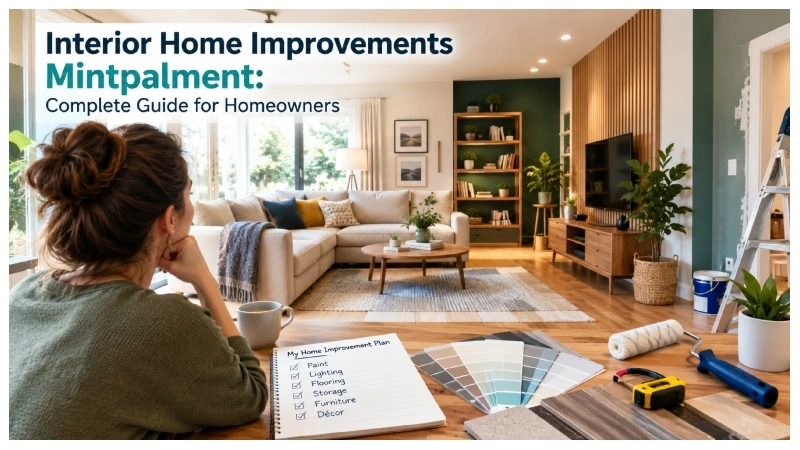
Your home does not need a complete renovation to feel fresh, comfortable, and modern. In many cases, thoughtful changes to walls, lighting, flooring, storage, furniture, and room layouts can make a noticeable difference. The key is knowing which improvements are worth your time and money and how to plan them properly.This guide to Interior Home Improvements Mintpalment explores practical ways homeowners can improve their interiors while keeping comfort, function, style, and long-term value in mind.
What Are Interior Home Improvements?
Interior home improvements include changes made inside a property to improve its appearance, comfort, functionality, or condition. These projects can range from simple updates, such as repainting a room, to larger renovations involving kitchens, bathrooms, flooring, or built-in storage.
A useful approach is to separate improvements into three categories:
- Cosmetic updates: Paint, lighting, curtains, furniture, décor, and finishes.
- Functional improvements: Storage, room layouts, insulation, ventilation, and better lighting.
- Major renovations: Kitchen remodelling, bathroom upgrades, flooring replacement, or structural changes.
Not every improvement needs to be expensive. A well-planned small project can sometimes have a greater day-to-day impact than a costly upgrade that does not solve a real problem.
Start With a Home Interior Assessment
Before buying materials or choosing colours, walk through your home and identify what actually needs improvement.
Look at each room and ask:
- Does the room feel too dark?
- Is there enough storage?
- Does the furniture allow easy movement?
- Are the walls or flooring showing wear?
- Does the room serve its intended purpose?
- Are there areas that feel uncomfortable or cluttered?
Take notes and prioritise problems rather than immediately focusing on trends.
For example, if a living room feels cramped, buying new decorative accessories may not help. Rearranging furniture, removing unnecessary pieces, and adding better storage could produce a much bigger improvement.
Create a Realistic Improvement Budget
One of the most important parts of any home project is setting a realistic budget before work begins.
Start by listing the expected costs for materials, labour, tools, delivery, and waste removal. For larger projects, keep some money aside for unexpected issues. Older homes, in particular, can reveal problems once walls, floors, or fixtures are opened up.
It also helps to divide your budget into priorities:
- Essential repairs
- Functional improvements
- Energy or comfort upgrades
- Cosmetic improvements
- Decorative extras
Interior Home Improvements Mintpalment approach prevents attractive but unnecessary purchases from consuming money that you need for more important work.
Refresh Walls With Paint and Finishes
A fresh coat of paint remains one of the simplest ways to change the character of an interior.
Light colours can make a small room feel more open, while deeper shades can create a warmer and more intimate atmosphere. However, colour should not be selected based only on how it looks in a showroom. Natural light, artificial lighting, furniture, flooring, and room size can all affect how a colour appears.
Before painting an entire room, test a small area and observe it at different times of day.
You can also improve walls without repainting everything. Feature walls, wall panelling, framed artwork, mirrors, or carefully selected wallpaper can create visual interest while limiting the amount of work required.
Upgrade Your Lighting for Better Comfort and Function
Lighting often receives less attention than furniture or paint, yet it can completely change how an interior feels.
A practical lighting plan usually combines different types of lighting:
- Ambient lighting provides general illumination.
- Task lighting helps with activities such as cooking, reading, or working.
- Accent lighting highlights artwork, architectural features, or decorative areas.
For example, a kitchen may need strong task lighting above work surfaces, while a bedroom may benefit from softer bedside lighting.
When choosing new fittings, consider the room’s purpose and the colour temperature of the bulbs. Also check the manufacturer’s specifications and use qualified professionals for electrical work where required.
Upgrade Flooring Carefully
Flooring receives constant use, so durability should matter as much as appearance.
Hard flooring can work well in busy areas, while carpet can provide warmth and comfort in bedrooms and living spaces. Vinyl, laminate, engineered wood, tile, and other materials each have different maintenance requirements and performance characteristics.
Before choosing a floor, consider moisture, foot traffic, pets, cleaning habits, and the condition of the existing subfloor.
A beautiful floor that cannot cope with the room’s everyday use may become an expensive mistake. Good interior planning matches materials to real household needs rather than choosing purely on appearance.
Make Storage Part of the Design
Clutter can make even a beautifully decorated home feel uncomfortable. Improving storage can therefore deliver both practical and visual benefits.
Consider built-in shelving, under-bed storage, fitted wardrobes, hallway cabinets, floating shelves, or furniture with hidden compartments.
In a small home, use vertical space where appropriate. Wall-mounted shelving can provide useful storage without taking up as much floor area as freestanding furniture.
The goal is not simply to add more cupboards. Effective storage makes frequently used items easy to access while keeping less attractive clutter out of sight.
Focus on the Kitchen and Bathroom
Kitchens and bathrooms often require more planning because they combine design with plumbing, electrical systems, ventilation, and moisture management.
For a kitchen update, relatively focused improvements can include replacing cabinet handles, upgrading work surfaces, improving lighting, adding storage organisers, or updating a tired splashback.
In a bathroom, new fittings, improved lighting, fresh sealant, storage, mirrors, and modern finishes can change the room without requiring a complete rebuild.
However, waterproofing, plumbing, electrical work, and structural alterations can carry significant risks if handled incorrectly. Use appropriately qualified professionals for work that requires specialist skills or permits.
Improve Comfort and Energy Performance
Some of the most valuable interior improvements are not purely decorative.
Draft reduction, suitable insulation, efficient lighting, improved window coverings, and properly maintained heating or cooling systems can make rooms more comfortable and may reduce energy use.
Start with the basics. Seal obvious drafts, maintain heating and cooling equipment, and check whether windows and doors close properly. For larger energy upgrades, consider getting professional advice so that improvements suit the building rather than creating moisture or ventilation problems.
Comfort should always remain part of the design. A stylish room that is too hot, cold, noisy, or poorly ventilated will not feel like a successful renovation.
Plan the Work in the Right Order
Good sequencing can save both time and money.
A sensible order for many projects is:
Repairs → structural or system work → walls and ceilings → flooring → fitted elements → lighting and fixtures → furniture → decoration
For example, there is little benefit in installing expensive new flooring before completing messy plastering or major electrical work.
Create a simple project schedule and identify which tasks depend on others. If several rooms need work, consider whether completing one area at a time will make the home easier to live in.
Avoid Common Home Improvement Mistakes
Even well-intentioned projects can go wrong. Some common mistakes include choosing style before function, underestimating costs, buying furniture that is too large, ignoring storage, or following short-lived trends too closely.
Another mistake is trying to complete specialist work without the necessary knowledge or qualifications. DIY can be useful for suitable tasks, but electrical, gas, structural, and certain plumbing projects can create serious safety problems when performed incorrectly.
It is also wise to check local building rules and permissions before starting significant alterations. Requirements vary by location and by the type of work involved.
How to Make Improvements Last
Long-lasting Interior Home Improvements Mintpalment should balance appearance with durability.
Choose materials that suit the room, maintain them according to manufacturer guidance, and avoid designs that depend entirely on passing trends. Neutral foundations can provide flexibility, while artwork, cushions, rugs, and other easily replaceable elements can introduce personality.
Most importantly, design for the way you actually live.
A family with young children may value durable surfaces and generous storage. Someone working from home may benefit more from good task lighting and a comfortable workspace. A homeowner who entertains frequently may prioritise an open, practical living and dining area.
Final Thoughts
Successful Interior Home Improvements Mintpalment are not about spending the most money or copying the latest interior trend. They are about solving genuine problems and creating rooms that work better for the people who use them.
Start with an honest assessment, establish your budget, prioritise essential work, and choose improvements based on durability and everyday function. Small changes such as better lighting, fresh paint, smarter storage, and thoughtful furniture placement can transform a room, while larger renovations require careful planning and professional support.
The best home interior is ultimately one that looks good and makes everyday life easier.For more information visit my webesite.