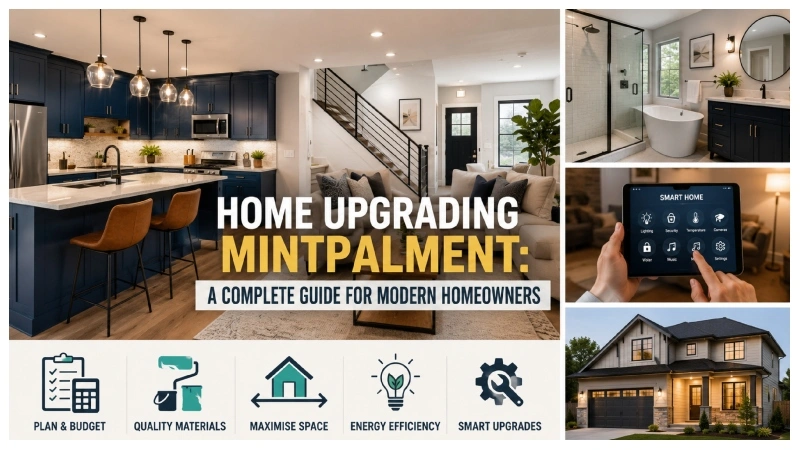
Your home does not need a complete makeover to feel newer, more comfortable, and more useful. In many cases, a few well-planned improvements can make a noticeable difference to everyday life. Better lighting, improved storage, efficient appliances, fresh finishes, and carefully chosen repairs can all transform how a home looks and functions.Home Upgrading Mintpalment can be approached as a practical process rather than a race to follow every new design trend. The most successful upgrades usually start with a simple question: what problem are you trying to solve? Once you know the answer, it becomes much easier to decide where to spend your time and money.
What Is Home Upgrading?
Home upgrading means improving an existing property to make it more comfortable, functional, attractive, efficient, or suitable for your current needs. An upgrade might involve something small, such as replacing outdated light fixtures, or something larger, such as renovating a kitchen or improving insulation.
Unlike decorating, which often focuses mainly on appearance, home upgrades can address how a property actually works.
For example, replacing a worn carpet changes the look of a room, while improving insulation can affect indoor comfort and energy use. Similarly, adding built-in storage can reduce clutter while making a small room easier to use.
A good upgrade balances appearance, performance, durability, and cost.
Why Should Homeowners Upgrade Their Homes?
People upgrade their homes for different reasons. Some want greater comfort, while others want to prepare a property for a growing family or improve its appeal before selling.
Here are some of the most common reasons.
1. Improve Everyday Comfort
Small changes can make daily routines easier. Better bedroom lighting, improved ventilation, additional bathroom storage, or a more practical kitchen layout may have more impact than expensive decorative features.
Think about the things that annoy you repeatedly. A cupboard that is difficult to access or a poorly lit hallway may seem insignificant, but fixing those issues can improve your home every day.
2. Improve Energy Efficiency
Energy efficiency is another important consideration. Upgrades such as sealing drafts, improving insulation, installing efficient lighting, and choosing energy-efficient appliances can reduce unnecessary energy use.
The right improvement depends on the home’s condition and local climate. Before spending heavily, identify where energy is actually being lost rather than assuming that the most expensive solution is automatically the best.
3. Make Better Use of Available Space
Modern homeowners often need rooms to perform several functions. A spare bedroom might double as a home office, while an open living area may need space for dining, relaxing, and entertaining.
Clever storage, movable furniture, built-in shelving, and flexible layouts can help you get more value from the same square footage.
4. Protect Long-Term Property Value
Not every renovation increases a home’s value by the same amount. However, maintaining essential systems and addressing obvious defects can protect a property’s condition and appeal.
A leaking roof, damaged flooring, poor ventilation, or outdated electrical components should generally receive attention before cosmetic improvements.
How to Plan Home Upgrades
Good planning can prevent expensive mistakes. Start by walking through your property and making a list of improvements you would like to make.
Next, divide your list into three main categories:
- Essential: repairs or safety-related work
- Useful: improvements that make everyday life easier
- Optional: decorative or luxury changes
Home Upgrading Mintpalment simple system helps you avoid spending your entire budget on appearance while ignoring important maintenance.
Next, set a realistic budget. Include the cost of materials, labour, delivery, permits where applicable, and unexpected work. Older properties can reveal hidden problems once renovation begins, so leaving some financial room for surprises is sensible.
Prioritise Improvements That Solve Real Problems
One of the biggest mistakes homeowners make is choosing projects based only on how impressive they look in photographs.
A beautiful feature is not necessarily a useful one.
For example, installing expensive decorative lighting may have little value if a room still lacks adequate general illumination. Likewise, replacing kitchen cabinets may not solve a poor layout.
Before starting a project, ask:
What problem will this upgrade solve?
If the answer is unclear, consider whether the project deserves priority.
This is one of the most practical principles behind Home Upgrading Mintpalment: improvements should support the way you actually live, not simply copy someone else’s home.
High-Impact Areas to Consider
Some parts of a home tend to offer particularly noticeable improvements.
Kitchen
The kitchen is often one of the busiest areas of a home. Focus on functionality before decoration. Better storage, durable work surfaces, useful lighting, and an efficient layout can make cooking and cleaning easier.
If the existing cabinets remain structurally sound, replacing handles, improving internal storage, or updating lighting may provide a fresh appearance without a complete replacement.
Bathroom
Bathrooms benefit from improvements that combine practicality and durability. Better ventilation can help control moisture, while modern fixtures can improve usability.
Avoid choosing materials based solely on appearance. Bathrooms experience regular exposure to water and humidity, so suitable materials and proper installation matter.
Living Areas
In living rooms and family spaces, lighting and furniture arrangement can dramatically affect how a room feels.
Use a combination of general, task, and accent lighting where appropriate. Keep walkways clear and choose furniture that fits the room instead of overwhelming it.
Bedrooms
Comfort should be the main priority. Good window coverings, appropriate lighting, storage, and a comfortable sleep environment can make a bedroom feel significantly better without major construction.
Smart Technology: Upgrade With Purpose
Smart-home technology can add convenience, but homeowners should avoid installing technology simply because it is fashionable.
Useful options may include programmable heating controls, smart lighting, security devices, or energy-monitoring equipment. Choose products that solve a genuine problem and check compatibility before buying.
Also consider maintenance and privacy. A device that requires constant troubleshooting may create more work than convenience.
Choosing Materials and Contractors
Quality matters, but the most expensive material is not always the best choice.
Look for materials that suit the room’s purpose, expected wear, maintenance requirements, and local conditions. A durable, easy-to-clean surface may be more practical for a busy family kitchen than a delicate material that requires frequent care.
For specialist work, use appropriately qualified and experienced professionals. Electrical, structural, plumbing, roofing, and other regulated or technically demanding projects may require professional assessment, permits, inspections, or compliance with local building requirements.
Get written quotes that clearly explain what the contractor will do, which materials are included, expected timelines, and payment terms.
Common Home-Upgrading Mistakes to Avoid
Even well-planned projects can go wrong when homeowners rush decisions.
Ignoring the Existing Condition
Do not cover up a problem before understanding its cause. Dampness, cracks, leaks, or electrical issues may require investigation before cosmetic work begins.
Spending Everything on One Room
A stunning kitchen will not compensate for serious maintenance problems elsewhere. Consider the whole property before committing most of your budget to one project.
Following Trends Too Closely
Trends change quickly. A timeless foundation with a few replaceable decorative elements usually offers more flexibility than designing an entire home around a short-lived style.
Forgetting Maintenance
Every upgrade needs some level of upkeep. Consider cleaning, repairs, replacement parts, and long-term durability before choosing a product or finish.
A Practical Home Upgrade Checklist
Before beginning your next project, work through Home Upgrading Mintpalment checklist:
- Identify the main problem you want to solve.
- Inspect the existing space carefully.
- Separate essential repairs from cosmetic improvements.
- Set a realistic project budget.
- Research suitable materials and products.
- Check whether permits or professional services are required.
- Compare detailed contractor quotes where necessary.
- Plan the project timeline.
- Keep a contingency amount for unexpected costs.
- Review the finished work before considering the project complete.
Home Upgrading Mintpalment approach makes Home Upgrading Mintpalment less overwhelming because you can tackle improvements one stage at a time.
Final Thoughts
A successful home upgrade is not about spending the most money or creating the trendiest interior. It is about making thoughtful improvements that suit your lifestyle, property, budget, and long-term plans.
Start with genuine problems. Fix essential issues first, improve efficiency where it makes sense, and choose durable solutions for areas that receive heavy use. Then add decorative touches that reflect your personality.
Whether you are making a few affordable changes or planning a major renovation, Home Upgrading Mintpalment works best when every project has a clear purpose. With realistic planning and careful choices, even modest improvements can make a home more comfortable, functional, and enjoyable for years to come. For more information visit my webesite.